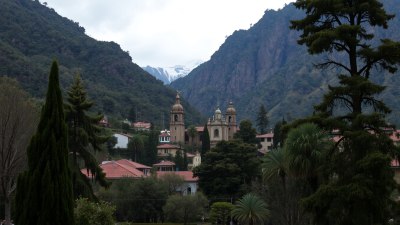
Feeling Your Way Through an Underground Church in Ethiopia
Explore the hidden faith culture of Ethiopia's underground churches.
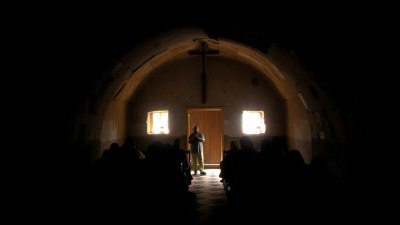
Image created with Flux Schnell
Ethiopia, a country rich in history and diverse cultures, has long been a cradle for various Christian traditions, with its Orthodox Church dating back to the early centuries of Christianity. However, in recent years, the rise of evangelical movements and political pressures have led to the growth of underground churches. These churches operate in secrecy, providing a unique insight into the faith lives of many Ethiopians, especially those who belong to marginalized communities.
Understanding the dynamics of these underground churches requires navigating through cultural, spiritual, and societal landscapes that are as intricate as Ethiopia's topography. These underground congregations are often formed in response to persecution and the strict regulatory environment imposed by the government on religious activities, particularly those not aligned with the state-sanctioned traditions.
The Historical Context of Christianity in Ethiopia
To fully appreciate the underground church phenomenon, it's crucial to recognize the historical significance of Christianity in Ethiopia. With one of the oldest Christian communities in the world, Ethiopian Christianity is marked by its unique traditions and practices that have evolved over centuries. The Ethiopian Orthodox Tewahedo Church, the largest denomination, has historically been a dominant force in shaping the country's identity.
However, the advent of Protestant movements in the 20th century introduced new theological perspectives and worship styles. These changes encountered resistance from the Orthodox Church and various political regimes, leading to tensions that still persist today. The complex interplay between religion and politics has influenced the emergence of underground churches, where believers seek a community and a space to worship away from regulatory scrutiny.
Understanding the Church's Structure
Underground churches in Ethiopia often take a decentralized approach. Unlike traditional churches that operate within a hierarchical structure, these communities are typically led by local pastors or elders, who possess a strong understanding of biblical teachings and a commitment to their faith. This grassroots leadership allows for a more dynamic and adaptive way of worship, as they can respond to the specific needs of their congregations.
These churches often meet in private homes, abandoned buildings, or other discreet locations to avoid detection. Attendees usually gather in small groups to foster a sense of intimacy and to avoid drawing attention from government authorities. The gathering is not only for worship but also serves as a vital support system for believers facing societal ostracism or threat of persecution.
The Role of Community and Fellowship
In underground churches, community plays a pivotal role in the spiritual journey of believers. The relationships formed within these congregations provide emotional and spiritual support, which is especially essential for those who face challenges from their families or society at large due to their faith.
Fellowship activities may include prayer meetings, Bible study sessions, and communal meals, all intended to strengthen their collective identity and resilience. These gatherings help cultivate a spirit of unity and encouragement, often becoming lifelines for individuals trying to navigate their faith in a challenging environment.
Challenges Faced by Underground Churches
The life of an underground church member is fraught with challenges, including the constant threat of persecution. Believers often face discrimination, harassment, and even violence for their faith, particularly in regions where traditional beliefs dominate. Families may sever ties, and members may encounter difficulties in securing employment, education, or even basic healthcare.
Additionally, underground churches grapple with the lack of resources, such as prayer materials, pastoral training, and financial support. Many pastors are self-taught or rely on informal mentoring due to the scarcity of formal theological education available to them. This situation can lead to varying interpretations of Scripture and a degree of theological confusion, which congregations must address collectively.
The Impact of Technology
In this digital age, technology has emerged as a double-edged sword for underground churches in Ethiopia. On one hand, it provides an avenue for believers to access religious texts and teachings that might otherwise be unavailable due to their clandestine worship. Online platforms can facilitate community building and disseminate valuable resources in a secure manner.
On the other hand, the internet's open nature poses a risk of exposure. Government authorities monitor online activities, and congregations must employ caution in their digital communications to avoid prosecution. Despite these challenges, many churches utilize technology creatively to enhance their outreach and strengthen their networks.
Revival and Growth
Amidst the adversities, the underground church in Ethiopia exhibits remarkable resilience and growth. The dissatisfaction with established religious institutions has driven many to seek alternative worship environments where they can express their faith freely. This demand encourages dynamic growth, even within oppressive constraints.
Stories of transformation abound within the underground church. Many individuals report finding a deeper connection with their faith and a renewed sense of purpose. The experience of overcoming challenges alongside supportive community members often leads to strengthened beliefs and a commitment to evangelism, even in the face of potential repercussions.
The Future of Underground Churches in Ethiopia
The future of underground churches in Ethiopia remains uncertain as the interplay between religion and politics continues to evolve. Nevertheless, their existence represents a tenacious spirit and a desire for authentic worship experiences. The underground church movement, while operating in the shadows, carries with it a beacon of hope for personal and communal transformation.
As Ethiopia navigates its complex relationship with faith, the stories and experiences of its underground believers will undoubtedly shape the broader narrative of religion in the country. Their journey, imbued with courage and conviction, invites us to explore the depths of faith in a world where freedom of belief remains a precious yet fragile gift.