From Cairo to Cairo Station: The City Through Egyptian Cinema
Explore the evolution of Egyptian cinema and its reflection of Cairo's vibrant culture.
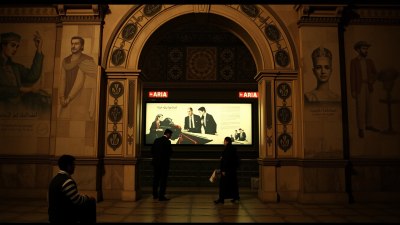
Egyptian cinema has a rich history that reflects the evolving identity of Cairo, capturing the essence of its society, politics, and culture. The journey of Egyptian cinema can be traced back to the early 20th century when films began to emerge as a powerful medium for storytelling. This article delves into the influence of Cairo on Egyptian cinema and how films have shaped and mirrored the city's spirit over the decades.
The Birth of Egyptian Cinema
The first moving picture produced in Egypt was filmed in 1896, but it wasn't until the 1910s that cinema began to flourish. The establishment of the first Egyptian film company, “Mise en Scène,” marked the beginning of a new cultural phenomenon. Cairo, the hub of artistic and intellectual life, became the stage for the nascent film industry, where directors and actors strived to innovate. The movies of this era reflected societal norms and the urban landscapes of Cairo, often highlighting local traditions and the struggles of everyday life.
Cairo’s Impact on Film Themes
Throughout the years, Cairo’s socio-political landscape has significantly influenced cinema. The films produced during the 1950s and 1960s, particularly under President Gamal Abdel Nasser's regime, often portrayed themes of nationalism, revolution, and social justice. Movies like 'Cairo Station' (1958) directed by Youssef Chahine, showcased the challenges faced by the working class while intricately weaving in the backdrop of Cairo's bustling train station.
This era not only highlighted the stark realities of life in the city but also served to uplift the spirit of collective Egyptian identity through the stories told on screen. The vibrant culture of the city, from its crowded streets to its rich architecture, became an integral part of the cinematic representation.
The late 1940s to the early 1960s is often referred to as the Golden Age of Egyptian cinema. Stars such as Om Kalthoum and Abdel Halim Hafez emerged, becoming icons of both cinema and music. Films during this period commonly showcased the glamour of Cairo, with romantic plots set against the city’s beautiful landscapes. However, they also touched upon pressing social issues, from women's rights to class struggles, reflecting the dual nature of Cairo as both a thriving metropolis and a place of disparity.
Classic films like 'The Sin' (1965) and 'The Woman Who Knew Too Much' (1964) explore complex characters navigating the challenges of life in Cairo. They depict the city not just as a backdrop but as a character that influences the lives and choices of the protagonists.
Cairo Station and Its Legacy
'Cairo Station' is a pivotal film that exemplifies the integration of Cairo’s urban life into the narrative of cinema. Chahine’s work is marked by its innovative storytelling and an exploration of contemporary societal issues. The film tells the story of a newspaper seller suffering from mental illness, reflecting themes of unrequited love and social alienation. The train station itself represents a crossroads of lives, echoing the transitory nature of hope and despair.
The visual representation of Cairo's train station highlighted the city's dynamic nature, with the hustle and bustle serving as both a physical and metaphorical landscape. The film garnered international acclaim and is often studied for its stylistic elements and social commentary, influencing generations of filmmakers in Egypt and beyond.
The New Wave of Egyptian Cinema
This period has seen a resurgence of interest in documentary filmmaking as well, with directives exploring Cairo’s diverse culture, the aftermath of the 2011 revolution, and the complexities of its urban landscape. These films provide an authentic glimpse into the lives of Cairo's citizens, challenging misrepresentations often presented in mainstream cinema.
The Role of Festivals in Shaping Cinema
Film festivals in Egypt, such as the Cairo International Film Festival, play a vital role in showcasing new talent and diverse stories. These festivals celebrate not only Egyptian cinema but also international works, facilitating a cultural exchange that enriches the film industry. The celebration of Cairo as a cinematic hub at these festivals attracts filmmakers and audiences alike, fostering collaborations and providing a platform for underrepresented voices.
Today, Cairo continues to inspire filmmakers who delve into the complexities of urban life and the tumultuous relationship between tradition and modernity. With the rise of streaming platforms, a new generation of filmmakers is telling stories that challenge the status quo, reflecting the vibrancy and contradictions of contemporary Cairo.
Films like 'Sheikh Jackson' (2017) and 'Cairo Conspiracy' (2022) grapple with themes of faith, identity, and societal expectations. They echo the multilayered experiences of living in a city marked by historical legacy, cultural richness, and ongoing transformation.
As technology evolves and global cinema adapts to new platforms, Egyptian filmmakers are at the forefront of exploring innovative storytelling methods. The expanding access to resources, coupled with a growing interest in niche market realities, is leading to a renaissance in Egyptian cinema. Among the emerging trends are increased collaborations with international filmmakers, enabling diverse stories to resonate with global audiences.
Cairo remains central to these narratives, not only as a filming location but as an ever-evolving organism that continues to inspire. The city’s layered history, marked by resilience and creativity, invites filmmakers to engage with its complexities, presenting cinema as a means of exploring identity, culture, and humanity.
In conclusion, Egyptian cinema serves as a mirror reflecting the soul of Cairo. The films produced throughout history have encapsulated the spirit of the city, making it an enduring character in the narratives crafted by filmmakers. Whether it be through the struggles of daily life depicted in 'Cairo Station' or the exploration of contemporary issues facing modern Egyptians, the evolution of cinema in Egypt is intertwined with the rich tapestry of Cairo itself.