Himeji Castle in Japan Wonders If Peace Was Ever Real
Explore the history of Himeji Castle and its reflections on peace and war in Japan.
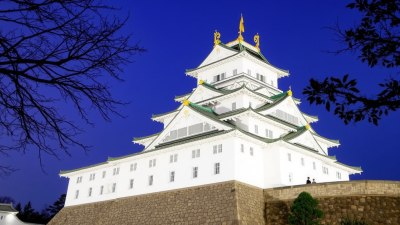
Himeji Castle, known as 'Shirasagi-jo' or 'White Heron Castle,' stands majestically in the Hyogo Prefecture of Japan, a national treasure and a UNESCO World Heritage site. It is renowned not only for its architectural beauty but also for its historical significance. The castle, which dates back to the 14th century, has survived numerous conflicts, disasters, and time itself, offering a peaceful sanctuary that prompts reflection on the nature of peace amid a turbulent past.
Constructed initially as a fortress, Himeji Castle underwent numerous expansions and renovations, with its current form solidified in the early 17th century under the ruling of Ikeda Terumasa. The impressive white plastered walls, intricate wooden fixtures, and fortified towers have become synonymous with Japanese aesthetics. But behind this beauty lies a stark history of warfare that makes visitors ponder: Was true peace ever attainable?
The castle's strategic location was predetermined by its geographic advantages. Situated on a hilltop, it provided commanding views of the surrounding plains, which was essential in times of war. The layout of Himeji Castle reflects the principles of defense architecture, designed to thwart intruders while offering protection to its inhabitants. Design elements like the maze-like pathways and the multiple gates served as obstacles for any would-be attackers. Set against the backdrop of serene cherry blossoms in spring and vibrant crimson leaves in autumn, one might question what turmoil accompanied the castle's grandeur in its heyday.
The Era of Samurai and the Spirit of Conflict
The samurai era, during which Himeji Castle was most prominent, was characterized by constant power struggles among clans vying for supremacy over territories. The tumultuous Sengoku period (1467-1615), often referred to as the Warring States period, framed the castle’s purpose and existence. Nobility and honor led many into battle, with the castle serving as both a residence and a fortification, transcending its role from mere architecture to a symbol of war and governance.
During this time, the concept of bushido, the way of the warrior, intertwined with the fabric of Japanese society. The samurai, viewed as noble protectors, often found themselves steeped in conflict, questioning their purpose and the essence of honor. This inner turmoil reflects a broader inquiry into the human condition: if peace is truly desirable, why are we drawn into conflict? Himeji Castle stands as a monumental testament to this paradox, illustrating how a structure meant to provide security also witnessed immense suffering and bloodshed.
Architectural Marvel and Symbol of Resilience
The architectural beauty of Himeji Castle resonates deeply with both locals and tourists. Its design harmonizes with nature, and every angle reveals its splendor. The castle serves not just as a relic from history but as a living document that whispers tales of both prosperity and strife. Its resilience is emblematic of Japan itself—a nation that has endured wars, natural disasters, and social challenges.
The white castle, with its elegant curves and tiered roofs, embodies the fleeting beauty of life, likening it to the cherry blossoms that bloom and perish within a short span. This metaphor invites contemplation on war's impact on existence, where moments of peace are ephemeral. Every brick in Himeji Castle murmurs tales of those who fought in its shadow, raising the question: Can peace ever truly prevail when history is often penned by the victors?
Reconciliation Through Heritage
As the years progressed, Himeji Castle’s role evolved. With the decline of feudal Japan and the onset of the Meiji Restoration in the late 19th century, the castle collectively began to symbolize not just military might but also the reconciliation of the vast historical narrative of Japan. Instead of being a mere remnant of conflict, Himeji Castle started to represent unity and the thirst for peace among its people.
In the 20th century, Himeji Castle underwent significant restoration efforts that have helped preserve its integrity and beauty. During World War II, there were fears that the castle would be destroyed by bombings or military actions; however, it stood untouched, reinforcing its significance as a cultural beacon. Today's visitors experience not only a fortress but a repository of stories, lessons, and reflections on peace—never guaranteed, but always pursued.
Significance in Modern Japan
In contemporary times, Himeji Castle functions as a symbol of cultural identity. The Japanese people continue to celebrate its beauty and resilience, fostering a sense of community and national pride. Festivals and events surrounding the castle enhance awareness of its history, encouraging dialogue about peace and reconciliation within Japanese society and beyond.
The castle is also a point of pilgrimage for many who seek to understand its history and reflect on their own beliefs about conflict and serenity. As such, it acts as a bridge—connecting the past to the present, cementing a collective memory that influences the future. The tradition of painting the history of Himeji Castle in art and literature helps ensure that the questions about peace remain alive and relevant.
Lessons from Himeji Castle
The continued exploration of Himeji Castle offers invaluable lessons regarding the nature of human conflict and the quest for peace. Between its walls, voices of the past echo the ceaseless struggles and sacrifices made, urging visitors to reflect on the human experience. The castle stands in stark contrast to many modern structures, serving as a reminder that architecture can be more than mere bricks and mortar; it can hold stories of humanity's deepest fears, collective memories, and aspirations for lasting peace.
Himeji Castle’s legacy transcends its architectural beauty, encouraging future generations to learn from history. By understanding the struggles that shaped what it is today, one may find hope in the pursuit of peace—a universal longing that binds all of humanity regardless of background or time. It’s a tranquil yet poignant reminder that while conflict may be inescapable, the search for peace must continue.
Ultimately, the Himeji Castle stands proud against the skyline, a silent witness to history but also a hopeful symbol for future generations. Within its grand walls, visitors find more than a glimpse of architectural wonder; they encounter a journey through time—a reflection on the question: Was peace ever real? In its presence, the answer lies not just in history but in the hearts and minds of those who seek understanding and unity.