The Forbidden City in China Still Watches, But No Longer Rules
Explore the history and significance of the Forbidden City, a symbol of China's imperial past now serving as a cultural treasure.
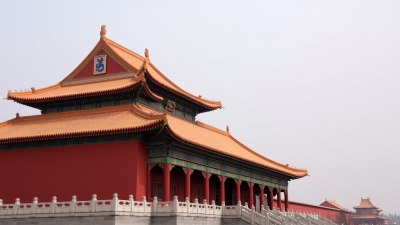
The Forbidden City, an architectural masterpiece and a historical testament, stands proudly at the heart of Beijing. This UNESCO World Heritage Site, formerly known as the Imperial Palace, served as the residence of Chinese emperors for nearly 500 years, from the Ming dynasty (1368-1644) to the end of the Qing dynasty (1644-1912). The grandeur of this sprawling complex is evident not only in its imposing gates and intricate design but also in its rich history, one that reflects the rise and fall of dynasties and the very essence of imperial China.
The Forbidden City is a marvel of Chinese palatial architecture, boasting 980 buildings spread over 180 acres. With its golden roofs, crimson walls, and detailed decorations, it epitomizes traditional Chinese aesthetics. Initially built under Emperor Yongle in 1406, the structure has survived the test of time, bearing testament to the ingenuity of ancient Chinese construction techniques.
A Symbol of Supreme Authority
Once, the Forbidden City served as the political and ceremonial center of Chinese emperors, a place where decisions impacting the wealth and welfare of the nation were forged. Surrounded by a massive defensive wall and a deep moat, it was designed to be impenetrable, symbolizing the absolute power wielded by the emperors residing within. It stood as a fortress, safeguarding the secrets of governance while enforcing a strict class system where commoners were rarely allowed even a glimpse of its splendor.
The term 'forbidden' aptly describes the exclusivity of the palace; entry was strictly regulated with the public banished from its hallowed grounds. Only a chosen few, including officials of the highest order and the emperor’s inner circle, could traverse its vast courtyards and opulent halls. This separation created an air of mystery around the Forbidden City, elevating its status to that of almost a mystical kingdom separate from the realities outside its walls.
The Cultural Significance
Today, the Forbidden City stands not only as a tourist destination but as a prominent symbol of Chinese cultural heritage. Thousands flock to admire its intricate architecture, rich collections, and historical artifacts. This former symbol of imperial rule now serves as the Palace Museum, housing over 1.8 million pieces of art and historical artifacts, including ceramics, paintings, and textiles, preserving the rich tapestry of Chinese history for future generations.
As a museum, the Forbidden City plays a vital role in educating visitors about China's imperial past. Guided tours and exhibitions provide insights into the daily life of emperors, the significance of various rituals, and the impact of dynastic changes on the nation’s fabric. The museum's aim is not only to showcase these artifacts but also to instill a sense of pride in China's lengthy and rich history, fostering a deeper appreciation for its cultural legacy.
Conservation Efforts
As a site of immense historical value, the conservation of the Forbidden City has been a top priority for the Chinese government and UNESCO. Ongoing restoration projects aim to address wear and tear caused by natural elements, pollution, and the sheer number of visitors each year. The delicate colors of the frescoes and intricate woodwork require constant maintenance to prevent deterioration.
In recent years, the use of modern technology has revolutionized restoration practices within the Forbidden City. High-resolution imaging techniques allow conservators to assess damage and plan restorations with unprecedented precision. Moreover, the implementation of climate control systems helps preserve the internal environment, protecting artifacts from humidity and temperature fluctuations that could jeopardize their integrity.
Modernization and Tourism
Since its transformation into a museum, the Forbidden City's status as a cultural landmark has significantly boosted tourism in Beijing. Each year, millions of visitors walk through its gates, captivated by the grandeur and history encapsulated within its walls. Events and exhibitions are regularly held to engage the public, inviting visitors to explore both traditional and contemporary interpretations of Chinese culture.
This modernization effort, however, comes with challenges. The influx of tourists can strain resources and impact the preservation efforts. Balancing enjoyment of the site and the protection of its historical integrity remains a delicate task for conservators. Innovations in visitor management, such as timed entry tickets and guided tours, have been implemented to control the flow of traffic, ensuring that both the palace and its visitors can coexist harmoniously.
Changing Role in Society
While the Forbidden City once represented ultimate power and authority, its role has evolved significantly in contemporary society. It now exists as a repository of cultural identity and history, reflecting the values and aspirations of modern China. In a rapidly changing world, the Forbidden City serves as a reminder of the nation's historical journey, embodying a bridge between the past and the present.
As China strides into the future, faces myriad challenges, and embraces globalization, the Forbidden City remains a steadfast icon, embodying the nation's spirit. Its preservation and continued significance in Chinese culture speak volumes about how historical narratives shape contemporary identities. It stands not as a relic of a bygone era but as a thriving testament to the continuous evolution of Chinese civilization.
Conclusion
Today, the Forbidden City no longer rules as it once did; it watches over the legacy of a bygone era, preserving memories and traditions in the face of modernity. As visitors wander through its expansive courtyards and grand halls, they are drawn into the rich tapestry of dynastic history, ritual, and cultural splendor that once defined Chinese civilization.
The Forbidden City serves not only as an architectural marvel but as a reminder of the enduring connection between past and present. It stands as a cultural treasure, inviting future generations to explore and appreciate its significance in the larger scheme of world history. As the world changes and evolves, the Forbidden City will continue to be a beacon of China’s imperial heritage, captivating all who seek to understand the depth and breadth of this storied land.