The Gateway of India in Mumbai Opens More Than It Lets In
Explore the history, architecture, and cultural significance of Mumbai's iconic Gateway of India.
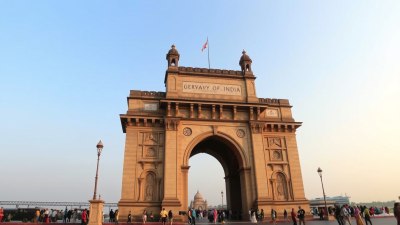
Image created with Flux Schnell
The Gateway of India, an iconic structure standing majestically by the waterfront in Mumbai, serves as a symbol of the city's rich heritage and history. Built in 1924 to commemorate the visit of King George V and Queen Mary to India, this monumental archway not only welcomes visitors into the bustling metropolis but also holds a treasure trove of cultural narratives within its own stone walls. From its stunning Indo-Saracenic architecture to its role during significant historical events, the Gateway of India opens more than just a pathway into the city; it opens a window into the past, present, and future of Mumbai.
Architecturally, the Gateway of India is a breathtaking example of Indo-Saracenic style, which blends elements from both Indian and Gothic traditions. The structure stands 26 meters high and is constructed primarily from yellow basalt and concrete. Its ornate design, featuring intricate carvings and grand arches, reflects the artistry of Indian craftsmanship during the early 20th century. The central arch of the Gateway of India is 15 feet wide and 40 feet high, symbolizing a grand entry point to the bustling harbor and, metaphorically, to the city rich in culture and enterprise.
As you approach the Gateway, its sheer size and grandeur foster a sense of awe. The monument overlooks the Arabian Sea, offering stunning views that attract both tourists and locals alike. It serves as a major landmark in Mumbai and is often depicted in various forms of media, representing the city's spirit. On any given day, you can find crowds of people taking photographs, enjoying street food from nearby vendors, or simply taking in the serene views of the sea.
Historical Significance and Events
Throughout its history, the Gateway of India has witnessed numerous significant events. It notably served as the departure point for British troops leaving India after the end of colonial rule in 1948. This marked not just a significant moment in Indian history but also a poignant departure of British influence. The Gateway thus embodies a duality: it is a point of entry that has welcomed many, while also overflowing with historical narrative that encompasses colonization, independence, and the evolution of modern Mumbai.
Another important event that took place at the Gateway was the arrival of the first passenger ship at the Bombay harbor in 1935, which underscored the city’s evolution into a vital seaport and trading hub. The Gateway’s strategic location has always made it an important symbol for maritime activities, hence its representation of the city's connection to international commerce.
A Hub of Cultural Activity
The Gateway of India is more than just a historical monument; it is also a hub of cultural activity. Numerous festivals and events take place in and around the area, attracting thousands of visitors each year. From the Ganesh Chaturthi celebrations where local devotees and tourists gather for the immersion of idols into the sea, to Diwali festivities, the area around the Gateway pulsates with vibrant energy and communal joy.
Moreover, with its close proximity to other significant attractions such as the Taj Mahal Palace Hotel and the Elephanta Caves, the Gateway acts as a starting point for exploration. Tourists often embark on boat rides that take them to nearby islands, including the UNESCO World Heritage site, the Elephanta Caves, known for their rock-cut sculptures that depict Hindu deities. Thus, the Gateway serves not only as a monument to Mumbai's past but also as a launchpad for discovery and engagement within the city's rich cultural fabric.
The Emotional Connection of Locals
For Mumbaikars, the Gateway of India is more than a historic site. It holds an emotional resonance that connects generations. Locals often refer to it as the 'Gateway to the Sea,' holding a fond place in their hearts. The monument is a haven for those seeking a respite from the hustle and bustle of the city, often serving as a casual meeting point for friends and families. The sight of the Gateway illuminated at night adds a magical flair, further solidifying its place as a beloved gathering spot.
The local government and various NGOs also hold events near the Gateway to promote awareness of environmental issues, including beach clean-up drives. Such initiatives not only foster community spirit but also contribute to the preservation of the maritime environment that the Gateway overlooks. Through these efforts, the Gateway stands not only as a monument to history but also as a representation of hope for a sustainable future amidst rapid urbanization.
Architectural Features and Preservation Efforts
The design of the Gateway of India is an artistic synthesis, with elements that echo Indo-Islamic styles combined with Gothic influences. The robust columns, decorative balustrades, and ornamental motifs testify to the architectural ingenuity of the time. However, with the effects of pollution, time, and urban encroachment, preservation efforts have become critical. The Gateway undergoes periodic restorations to ensure its structural integrity and aesthetic appeal. Conservationists work tirelessly to maintain its grandeur, always mindful of respecting its historical context.
Plans for the future of the Gateway also focus on enhancing the visitor experience while safeguarding its heritage. Education programs, guided tours, and multimedia interactions are being explored to deepen visitor engagement, promoting a richer understanding of the Gateway’s historical significance and logistical importance. These efforts enable the Gateway of India to continue being a center of attraction that resonates with tourists and locals alike.
Symbol of Resilience and Hope
In more recent years, the Gateway of India has emerged as a symbol of resilience and hope for Mumbai and its people, particularly in the aftermath of tragic events, including terror attacks. The monument has served as a venue for memorials and public gatherings advocating peace and unity. Thus, the Gateway stands not only as a physical entry point into the city but also as a metaphorical doorway to healing and solidarity among the diverse populace of Mumbai.
While it literally opens up to the vast Arabian Sea, symbolizing opportunities and possibilities, it also metaphorically opens dialogues about our shared histories, struggles, and aspirations for a unified future. The Gateway of India opens to the public but also opens hearts, connecting people through stories that traverse generations.
More Than Just a Structure
The Gateway of India is undoubtedly one of Mumbai’s most cherished landmarks, but it is more than just a stone structure. It embodies tales of a complex history, represents a city’s evolution, and functions as a vibrant cultural epicenter. The Gateway of India opens not just to welcome visitors, but it also beckons them to engage, explore, and connect. In its steadfast presence, it reminds us of Mumbai’s spirit—resilient, welcoming, and continuously evolving. As we walk through its archways, we find an invitation to reflect on the past and a chance to imagine the possibilities that the future holds. The Gateway of India stands firm, a testament to the dreams, struggles, and triumphs of those who have come before us and those who continue to forge the city's vibrant identity.