The Great Wall of China Remembers Everyone Who Turned Back
Explore the cultural significance and history of the Great Wall of China and its symbolism for courage and perseverance.
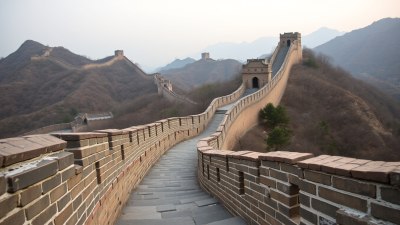
The Great Wall of China is not just an architectural marvel but a symbol of resilience and determination. Stretching over 13,000 miles, it was constructed over several dynasties to protect Chinese states from invasions. However, beyond its physical presence, the Great Wall holds a deeper meaning, one that resonates with those who dared to dream of conquering its vastness and yet turned back for various reasons.
The Historical Context of the Great Wall
The Great Wall's construction began as early as the 7th century BC, with various states building walls to protect their territories. It was not until the Qin Dynasty (221-206 BC) that the walls were connected to form a unified defense system against invading nomads from the north. Subsequent dynasties, particularly the Ming Dynasty (1368–1644), fortified the wall, leading to the version we admire today. Each stone and brick tells a story of hardship, labor, and the unwavering spirit of those who dedicated their lives to its construction.
Symbol of Obstacles
The Great Wall stands as a metaphor for life's challenges and the many obstacles that individuals face. Each turnback from the wall embodies stories of dreams, ambitions, and the nuances of human experience. It represents those who strive for greatness but encounter insurmountable challenges, prompting them to turn back. In this light, the wall becomes a custodian of memories, echoing the voices of those who dared to attempt the climb, even if they didn’t reach the summit.
The Journey to the Wall
Stories of Turnbacks
Throughout history, countless soldiers, traders, and even emperors faced the Great Wall, not all of whom were able to surmount its height. Local legends often recount tales of brave individuals who approached the wall only to realize the enormity of their task. Their reasons for turning back vary: fear of the unknown, acknowledgment of different paths to success, or the understanding that some battles are meant to be fought differently.
Personal Reflections and Cultural Narratives
For many, turning back from the Great Wall isn't a sign of failure but rather an opportunity for self-reflection. In Chinese culture, perseverance is a cherished value; however, so is the wisdom of knowing when to pivot. This nuanced understanding of strength fosters a rich narrative surrounding the wall. Visitors to the wall often reflect on their own lives, recognizing that turning back can sometimes signify the start of a new journey, one that offers growth and alternative perspectives.
The Wall as a Teacher
Each step taken towards the wall serves as a lesson in humility and respect. The majestic structure teaches visitors that not every path in life is straightforward and that sometimes the act of turning away can lead to newfound understanding. The wall, therefore, becomes a metaphorical guide, urging individuals to assess their intentions and motivations as they navigate through life. Moments spent reflecting on the wall encourage introspection and reconnection with one’s own personal journey.
Cultural Practices During Visits
When visitors arrive at the Great Wall, many engage in various cultural rituals. Writing notes or messages on pieces of cloth—tied to the wall or fences—are common practices symbolizing hopes, dreams, or dedication. In doing so, they align themselves with the legacy of all who have turned back, understanding that every journey carries significance, and even the act of returning holds its own value. Celebrations occur annually, honoring both triumph and reflection, connecting the past with the present.
Art and Literature Inspired by the Wall
Countless artists and writers have been inspired by the Great Wall, illustrating its impact on human experience. Poems expressing longing and determination echo the sentiments of those who faced the formidable challenge of the wall, whether they succeeded or chose to turn back. Paintings capture fleeting moments of contemplation amidst the wall’s grandeur. These artistic expressions encapsulate the duality of struggle and resilience, celebrating both the journey towards the wall and the lessons learned from turning away.
The Great Wall in Modern Life
Today, the Great Wall continues to inspire millions. It stands as a reminder of perseverance and the complexities of human endeavor. Modern narratives around the wall often highlight how it challenges individuals to confront their failures and redefine what strength means. The wall teaches that setbacks can provide invaluable lessons, often paving the way for new opportunities and insights. In every turnback, there lies a story waiting to be told.
Reflections on Turning Back
In the age of relentless ambition and success, it’s essential to pause and evaluate our paths. The Great Wall, with its stoic presence, encourages visitors to embrace the act of turning back as a legitimate part of their journey. Each experience becomes interconnected — a relationship between past challenges and present aspirations. The narrative thus fosters resilience, reminding us that it’s not solely about reaching the destination but also about understanding the intricacies involved in the pursuit itself.
A Future with the Great Wall
As we look forward, the Great Wall of China continues to stand regally, a trendsetter for discussions on human experiences, endeavors, and the essence of turning back. It serves as a historical landmark and a reminder of the values of reflection, adaptability, and self-acceptance. The wall’s enduring legacy implores us not only to pursue our goals with vigor but also to respect the moments when we choose to step back and reassess our journeys. Ultimately, whether one conquers the wall or turns back to reflect, every story is significant, echoing through time and reminding us of our shared humanity.