The Memorial to the Murdered Jews of Europe in Germany Doesn’t Look You in the Eye
Explore the significance and design of the Memorial to the Murdered Jews of Europe in Berlin, Germany.
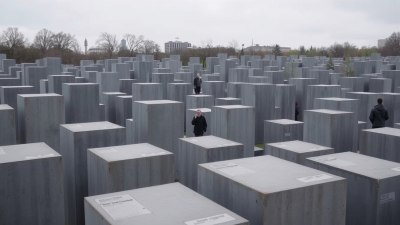
Image created with Flux Schnell
The Memorial to the Murdered Jews of Europe, located in the heart of Berlin, serves not only as a tribute but also as a poignant reminder of the horrors of the Holocaust. Designed by architect Peter Eisenman, this memorial has gained attention for its profound symbolism and emotional impact. This article delves into the intricacies of the memorial's design, its purpose, and the reactions it invokes in visitors.
The site covers a vast area of 19,000 square meters and contains 2,711 concrete slabs, or stelae, which vary in height. The unevenness of the terrain contributes to the disorienting experience, as visitors find themselves walking through a labyrinth of towering slabs. This intentional design feature evokes feelings of isolation and confusion, symbolizing the disorientation experienced by the victims during the Holocaust.
Historical Context
The decision to construct the memorial arose after Germany’s reunification. It not only aims to honor the memory of the Jewish victims but also serves as a space for reflection and education. The contrast of this stark structure against Germany’s modern architecture reflects a nation grappling with its past. The site compels visitors to confront history and remember the individuals who suffered during one of the darkest periods in human history.
Symbolism of the Design
Eisenman’s design is striking in its simplicity yet deeply profound. The stelae, made of different heights, symbolize the individuality of each victim while also representing the collective horror of the Holocaust. Some slabs are tall and imposing, while others are low, creating a sense of unevenness. This height variation signifies that each life lost had a different story and impact, challenging observers to acknowledge the complexity of human experiences during the genocide.
The grid layout serves to represent order, a stark contrast to the chaos of the Holocaust. As visitors walk through the path created by the stelae, they can feel themselves engulfed by the concrete—a deliberate choice by Eisenman to embody the oppressive nature of persecution. The memorial is designed in a way that encourages individual interpretation; as each person walks through, their experience is unique, shaped by their personal reflections and emotions.
Emotional Impact on Visitors
Educational Role
The site also features an underground information center, which provides historical context about the Holocaust and the Jewish experience during World War II. Here, visitors can access extensive resources including photographs, documents, and personal testimonies from survivors. This educational layer enhances the memorial by fostering a deeper understanding of the events it commemorates, aiming to prevent a repeat of such atrocities in the future.
Controversies and Discussions
Furthermore, the memorial has also faced criticism regarding its impact on surrounding urban spaces. Its location in a prominent area near the Brandenburg Gate means that it is frequently crowded with tourists and locals alike, which can detract from the solemn atmosphere intended by its design. However, many also acknowledge that the memorial’s visibility encourages public engagement and conversation about the Holocaust, creating an opportunity for education and remembrance.