The Moai Statues of Easter Island Are Waiting for the Right Question
Discover the secrets and stories of the Moai statues on Easter Island, their significance, and the mysteries surrounding them.
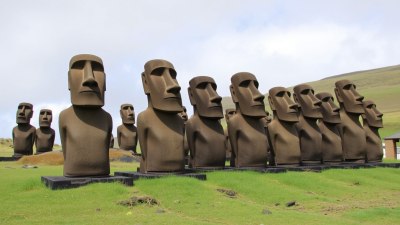
Image created with Flux Schnell
The Moai statues of Easter Island, known as Rapa Nui to its indigenous inhabitants, are not only a testament to the artistry and culture of the Polynesian people but also a profound puzzle that invites inquiry and exploration. These iconic stone figures, often depicted with oversized heads and stoic expressions, dot the landscape of this remote island, captivating visitors and scholars alike. The origins, purpose, and construction of these statues remain subjects of fascination, sparking debates and discussions that echo through history.
The Origins of the Moai
The creation of the Moai statues dates back to the 13th century, with the most active period of construction occurring from approximately 1400 to 1650 AD. The Rapa Nui people carved these massive figures primarily from volcanic tuff, a light yet durable material found in the Rano Raraku quarry. Each Moai is believed to represent an important ancestral figure, serving as a symbol of authority and a way to honor the past. As guardians of the island, these statues also play a role in hosting the cultural memory of a civilization that thrived in isolation.
Construction Techniques
The construction and transportation of the Moai statues pose intriguing questions about the engineering capabilities of the Rapa Nui people. With some statues weighing over 80 tons and standing up to 30 feet tall, the logistics of moving these massive figures across the island is a feat that has puzzled anthropologists and archaeologists. Various theories have emerged, suggesting the use of wooden sledges, ropes, and coordinated team efforts to mobilize the statues from Rano Raraku to their ceremonial platforms, known as Ahu. These ancient techniques reflect the ingenuity and determination of the society.
The Significance of the Moai
The significance of the Moai extends beyond their physical presence; they embody cultural, spiritual, and social dimensions of the Rapa Nui civilization. Each statue is thought to hold mana, a vested spiritual power that can influence the prosperity and success of the community. The positioning of the Moai, often facing inland, is interpreted as a protective stance over the villages and their inhabitants. This connection to ancestry and spirituality imbues them with a reverence that transcends mere artistry, representing a living tradition that continues to influence Rapa Nui culture today.
Environmental Challenges
The Rapa Nui civilization faced numerous challenges, particularly in terms of environmental sustainability. Deforestation, overpopulation, and the depletion of resources significantly impacted the society's ability to thrive. The construction and transportation of the Moai may have contributed to this ecological crisis, as large amounts of timber were likely consumed in the process. This has led to discussions about the societal choices made and the ultimate collapse of the Rapa Nui civilization, prompting reflection on the delicate balance between progress and environmental responsibility.
Modern Interpretations
In contemporary times, the Moai statues have evolved into symbols of intrigue and cultural identity, attracting tourists and researchers from around the globe. While they reflect the accomplishments of the past, they also raise questions relevant to modern society: How do we honor our ancestors while ensuring the sustainability of our environment? The Moai challenge us to reflect on our relationship with heritage and the ethical responsibilities we hold toward future generations.
The Role of Tourism
Tourism plays a vital role in the economy of Easter Island, with the Moai statues serving as the main attraction. However, this influx of visitors brings both opportunities and challenges. While tourism can provide much-needed revenue for conservation efforts, it also places pressure on the island's fragile ecosystem and resources. Concessions must be made to preserve the cultural integrity and physical presence of the Moai, leading to ongoing discussions around sustainable tourism practices. The question remains: how can we balance the economic benefits of tourism with the preservation of this cultural heritage?
Ongoing Research
The Moai statues continue to be the subject of extensive research, with archaeologists employing advanced technologies to uncover more about their construction, significance, and the society that created them. Recent studies have incorporated satellite imagery, ground-penetrating radar, and other modern tools to detect hidden facets of Rapa Nui history. Such research not only contributes to our understanding of the Moai but also emphasizes the unity of interdisciplinary collaboration in solving historical mysteries.
Future Preservation Efforts
The preservation of the Moai statues is paramount in ensuring that future generations can witness and appreciate these incredible creations. Local governance, international cooperation, and community engagement are all fundamental components required to develop effective management and protection strategies. Preservation efforts encompass everything from regulating tourism practices to restoring damaged statues, exemplifying a commitment to honor the cultural heritage of the Rapa Nui people.
Inviting the Right Questions
The Moai statues of Easter Island stand as a powerful reminder of the intersection between culture, history, and environmental stewardship. They invite us to ask the right questions—about our past, our connection to nature, and how we can shape a sustainable future. As we contemplate the mysteries of the Moai, we are called to reflect on the impact of our actions today and the legacy we leave for tomorrow. In a world defined by rapid change and ecological concerns, these ancient statues compel us to consider not only their stories but also the broader narrative of humanity's relationship with the earth and each other.
In essence, the Moai statues of Easter Island do more than merely adorn the landscape; they serve as cultural touchstones that beckon inquiry and inspire reflection. As guardians of an ancient society, they stand vigilant, waiting for the right questions to be posed. By engaging with the complexities of their history, we can gain valuable insights into our collective journey. As we traverse the intricacies of heritage, sustainability, and humanity’s quest for understanding, we must remember to respect and honor the stories that these remarkable statues have yet to reveal.