The Pula Arena in Croatia Remembers the Roar Without Emotion
Explore the historical significance and architectural beauty of the Pula Arena in Croatia.
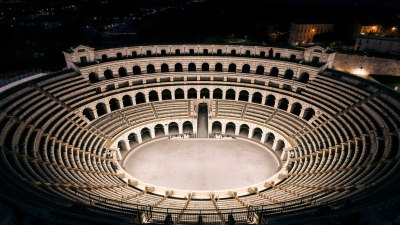
Image created with Flux Schnell
The Pula Arena, one of the most well-preserved Roman amphitheaters in the world, holds a deep connection to the glory days of ancient Roman entertainment. Located on the Istrian Peninsula in Croatia, the Pula Arena reflects the architectural prowess of the Romans and the cultural richness of the region. Built between 27 BC and 68 AD, this awe-inspiring structure measures 132 meters in length and 105 meters in width, with a seating capacity of around 23,000 spectators. Unlike other ruins that have succumbed to time, the Pula Arena stands tall, evoking the echoes of its past and reminding us of the fervor of ancient games and shows held within its walls.
As we step into the past, the arena showcases the architectural brilliance of the Romans. Its three stories of arches and columns are constructed from local limestone, which lends a unique charm and character to the structure. The arena's elliptical shape and tiered seating provided optimal viewing angles for spectators, emphasizing the significance of visibility and audibility in Roman entertainment. Today, visitors can appreciate not just the grandeur of the arena itself but also the ingenious engineering techniques that have allowed it to withstand centuries of weathering and human use.
Architectural Features
The Pula Arena features several distinct architectural elements that are characteristic of Roman amphitheaters. The outer walls, composed of sturdy limestone blocks, are adorned with engaged columns and intricate stone carvings that reflect the aesthetic values of ancient Rome. These design elements not only served a decorative purpose but also contributed to the structural integrity of the arena. The arena's facade showcases a seamless blend of utility and artistry, creating a visual spectacle that continues to captivate modern audiences.
Inside the arena, one can find the remains of the former vaults that once housed the gladiators and animals before their performances. The underground chambers, although partially destroyed over the ages, still hint at the immense scale of operations that took place in this grand venue. The meticulous layout of these areas demonstrates the careful planning put into the venue, emphasizing the level of sophistication within Roman society.
Cultural Significance
The Pula Arena is not simply a structure; it represents a cultural landmark steeped in history. During its heyday, the arena hosted a plethora of events ranging from mythological reenactments to gladiatorial contests that drew spectators from various parts of the Roman Empire. These events were crucial for social cohesion, providing a platform for citizens to gather, celebrate, and partake in communal experiences.
As the centuries progressed, the use of the arena evolved. After the fall of the Roman Empire, the Pula Arena was repurposed for various uses including housing, workshops, and even a fortress. It transitioned from a symbol of entertainment to a practical asset, demonstrating the resilience of its structure and the adaptability of the local populace. Today, the arena serves not only as a historical site but also as a venue for concerts, film screenings, and other cultural events, thus breathing new life into its storied past.
Visitor Experience
Beyond simply walking through the arena, visitors can immerse themselves in the atmosphere by attending events that revive the spirit of ancient performances. The arena often hosts summer film festivals, concerts, and even reenactments of gladiatorial battles, allowing audiences to experience a taste of what ancient spectators may have felt. Such events not only celebrate the venue's history but also create a vibrant atmosphere that bridges the gap between the past and present.
Preservation Efforts
Today, the Pula Arena stands as a testament to successful restoration practices that prioritize both historical authenticity and practical functionality. In cooperation with heritage organizations, local authorities remain committed to continuous preservation efforts, ensuring that the arena will not only be a witness to history but an active participant in the cultural life of the city of Pula.