The Scent of Burning Cedar as Ritual in Japan
Explore the significance of burning cedar in Japanese rituals and its cultural symbolism.
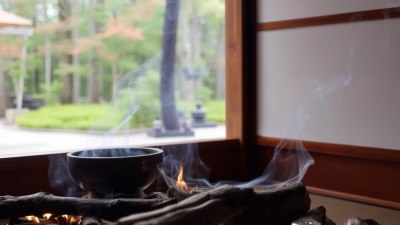
Image created with Flux Schnell
The scent of burning cedar has long held a profound place in Japanese culture, embodying traditions, spiritual practices, and a connection to nature that resonates throughout the nation’s history. This aromatic wood, known as 'sugi' in Japanese, is not only a common building material but also a revered element in religious and spiritual ceremonies.
The Symbolism of Cedar in Japan
Cedar trees are native to Japan and have been cultivated for centuries. Their significance extends beyond mere wood; they symbolize longevity, purification, and protection. Traditionally, cedar is associated with Shinto, the indigenous spirituality of Japan, where nature is revered as a manifestation of the divine. The act of burning cedar during rituals serves as a conduit to the spiritual world, enhancing the atmosphere and inviting a sense of sacredness into the space.
Burning Cedar in Shinto Rituals
In Shinto ceremonies, the smoke of burning cedar is believed to purify the air and the participants. The practice is often evident during seasonal festivals and rites of passage, such as weddings, births, and funerals. The aromatic smoke is thought to carry away impurities and spirits, allowing for a more profound connection with the kami, or spirits of nature. As participants breathe in the soothing fragrance, they are metaphorically and spiritually cleansed, ready to engage in the sacred practices.
Cedar in Japanese Culture
Cedar wood has historical significance beyond its spiritual associations. In ancient Japan, it was extensively used in constructing shrines, temples, and even homes. The allure of cedar lies in its durability and resistance to decay, symbolizing strength and endurance. These structures, imbued with the scent of cedar, create a tranquil environment that fosters meditation and reflection. This connection between the physical and spiritual manifests through the experience of living amidst cedar.
Modern Interpretations and Uses
While many of the traditional uses of cedar persist, modern interpretations have emerged, incorporating cedar aromas into contemporary rituals and practices. The practice of 'hinoki' bathing, inspired by traditional Japanese onsen (hot springs), often includes cedar essence for its calming properties. Bathing rituals infused with the scent of cedar create a serene environment that nourishes both body and spirit. In addition, cedar incense and essential oils have gained popularity, allowing broader access to this ancient fragrance even outside Japan.
The Therapeutic Effects of Cedar Aroma
The therapeutic properties of cedarwood aroma contribute to its rising popularity in holistic health. Studies have suggested the scent of cedar can help reduce stress, promote relaxation, and enhance overall well-being. Aromatherapy practitioners often utilize cedar essential oil to encourage grounding and purification, making it a favorable choice for those seeking emotional balance as well as a spiritual connection.
Cedar and Nature Connection
The invigorating scent of burning cedar serves as a reminder of nature’s essence. In Japanese culture, connecting with nature is crucial for harmony and well-being. Activities such as 'shinrin-yoku' or forest bathing emphasize the importance of being enveloped in natural aromas, with cedar standing out for its refreshing and invigorating qualities. The practice of immersing oneself in the natural world alongside the scent of cedar encourages mindfulness and fosters a deeper appreciation for the environment.
Environmental Sustainability and Cedar Cultivation
As the demand for cedar wood and its derivatives continues, sustainable practices in cedar cultivation have become increasingly vital. Japanese cedar forests are managed with an emphasis on maintaining ecological balance. This sustainable approach reflects a commitment to preserving Japan's natural heritage while ensuring future generations can enjoy the benefits associated with cedar. Circular economy practices are gaining traction, emphasizing the importance of ethical sourcing and reduction of waste in the utilization of cedar resources.
Celebrating Cedar Festivals
A variety of festivals in Japan celebrate the significance of cedar trees. One such event is the annual Cedar Festival in Takayama, where locals partake in rituals centered on cedar. The festivities often include offerings, ceremonies facilitated by local shamans, and traditional music that evoke a strong sense of community and cultural identity. Through these celebrations, the profound connection between cedar and the people of Japan is brought to life, fostering a sense of pride and respect for their natural surroundings.
Cedar in Art and Literature
The impact of cedar extends into Japanese art and literature, often symbolizing tranquility, endurance, and the beauty of nature. Artists have drawn inspiration from the elegance of cedar trees, illustrating them in traditional woodblock prints and contemporary works alike. In literature, cedar is frequently depicted in poetry, serving as a metaphor for striving for harmony and connection with one’s roots. The resonance of cedar within the cultural fabric of Japan is palpable through these artistic expressions.
The scent of burning cedar is more than just an aromatic experience; it encapsulates the spirit of Japanese culture, offering a bridge between the physical and spiritual realms. Through rituals, art, and modern practices, cedar continues to play a vital role in fostering well-being and connection to nature. As Japan navigates the complexities of modernity, the timeless essence of cedar serves as a reminder of the enduring wisdom rooted in tradition and the sacred bond between humanity and the natural world.