Touching the Wind on a Bridge in Bosnia
Discover the serene beauty and cultural significance of Bosnia's bridges, where nature meets history.
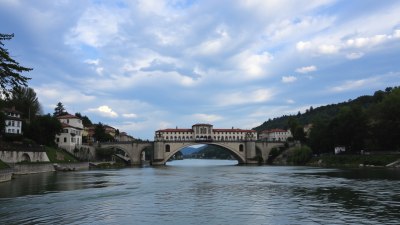
Image created with Flux Schnell
Bosnia and Herzegovina, a country rich in history and natural beauty, presents visitors with an array of breathtaking landscapes and cultural landmarks. Among these are its iconic bridges, which not only serve as essential transportation links but also as symbols of resilience and connection. The beauty of touching the wind on a bridge in Bosnia is an experience that evokes emotions, reminds us of our past, and connects us with nature. In this article, we will explore some of Bosnia's most famous bridges, their historical significance, and the feelings they inspire in those who visit.
Historical Foundations of Bosnian Bridges
The construction of bridges in Bosnia dates back to the Ottoman period, which has profoundly influenced the country's architecture and infrastructure. Many bridges in Bosnia showcase a blend of Ottoman, Austro-Hungarian, and modern engineering styles, contributing to their unique appearance and historical value. The Old Bridge (Stari Most) in Mostar, a UNESCO World Heritage site, is perhaps the most well-known example, symbolizing the reconciliation of cultures and the endurance of the Bosnian people.
The Old Bridge (Stari Most)
Stari Most was originally built in the 16th century, connecting the two sides of Mostar, a city that has witnessed significant historical upheaval. The bridge was destroyed during the Bosnian War in 1993, but it was meticulously reconstructed and reopened in 2004. Today, standing on Stari Most, the gentle Bosnian wind whispering through the arches, visitors can sense the spirit of the past. The bridge invites reflection on the resilience of the local community and the importance of unity despite differences.
Touching the Wind
When one stands on these historic bridges, especially Stari Most, there is an extraordinary feeling of touching the wind. The wind carries with it the stories of the countless individuals who have crossed the bridge, each with their dreams, struggles, and victories. As the breeze brushes past, it serves as a reminder of the passage of time and the deep-rooted connections between the land and its people.
The Natural Surroundings
Bosnia’s bridges are often set against stunning backdrops of lush green hills, sparkling rivers, and picturesque valleys. The combination of natural beauty and architectural genius creates a sublime environment for reflection and connection. Places like the Vrelo Bosne, where the Spring of the Bosna River emerges, offer a serene experience for both locals and tourists. The gentle hum of the water and the rustle of leaves in the wind create a tranquil soundscape, enriching the experience of standing on a bridge.
Bridges for All
Bridges have long served as gathering places for communities. In Bosnia, they are vital points of connection, where people come together to exchange stories, celebrate culture, and form friendships. The presence of a bridge often signifies more than just a physical passage; it embodies a sense of belonging and shared history. Festivals and events, particularly in Mostar, often take place around the area of the Old Bridge, where locals showcase their customs, culinary delights, and artistic talents.
The Socio-Cultural Impact of Bridges
Beyond their physical utility, bridges in Bosnia hold significant socio-cultural value. They represent a continuity of tradition while adapting to contemporary needs. For many, crossing a bridge is a rite of passage, a profound act that connects them with their heritage. This emotional resonance is particularly strong on bridges like Stari Most, where the juxtaposition of the old and the new presents a narrative of healing and hope.
Architectural Significance
The architectural styles of Bosnia's bridges reflect the diverse cultural influences that have shaped the region over centuries. The distinctive stonework of Stari Most, with its pointed arch design, is complemented by the use of local materials, showcasing the craftsmanship of Bosnian builders. Similar architectural trends can be seen in bridges across the country, each telling its unique story through construction techniques, materials, and design elements.
Biodiversity and Environmental Awareness
The locations of Bosnia's bridges often intersect with rich ecological systems. The rivers and surrounding landscapes are home to diverse flora and fauna, making these areas vital for conservation efforts. As more people visit these natural and historical sites, there is an increasing awareness of the importance of preserving both the environment and the cultural heritage. Educational initiatives surrounding nature and heritage conservation help cultivate a sense of responsibility among visitors and locals alike.
Modern Connectivity and Tourism
In recent years, Bosnia's bridges have also become symbols of modern connectivity and tourism. The rise of eco-tourism and adventure travel has brought attention to the stunning landscapes and rich history of the region. Tourists who visit are often eager to experience the thrill of exploring off the beaten path while enjoying the serene beauty of the bridges. Activities such as hiking, rafting, and photography have become popular, with the bridges serving as the perfect backdrop for unforgettable memories.
Reflections on Tradition and Modernity
Touching the wind on a bridge in Bosnia allows for reflection on the delicate balance of tradition and modernity. Just as the physical structure of a bridge connects two landmasses, it mirrors the convergence of history with the present. The act of standing on a bridge provokes thoughts about the stories we carry within ourselves, the legacies we build, and the future we pave for the generations to come.
Embracing the Experience
In summary, touching the wind on a bridge in Bosnia is not merely a physical experience but a profound emotional journey that intertwines history, culture, and nature. The bridges of Bosnia serve as vital conduits of connection, representing the strength and resilience of its people. As visitors and locals alike cross these bridges, they engage with the narratives of the past while embracing the possibilities of the future. The wind that whispers through these structures carries with it the dreams of many, making a simple walk across a bridge a powerful reminder of our shared human experience.