Tracing Dracula’s Shadow Through the Forests of Transylvania
Explore the eerie forests of Transylvania, where Dracula's legend comes alive amidst stunning landscapes.
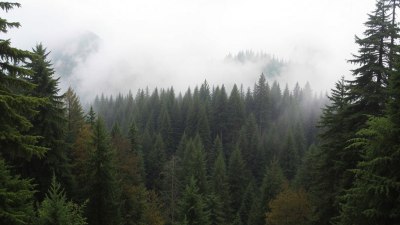
Image created with Flux Schnell
Transylvania, often referred to as the home of vampires and associated with the famous Count Dracula, is not just a place of folklore and myth, but a region steeped in rich history, breathtaking scenery, and cultural depth. The forests that blanket this part of Romania are alive with stories waiting to be discovered, ranging from the natural beauty of the landscapes to the ancient tales of mysterious beings that roam their depths. This journey into the heart of Transylvania will guide you through its majestic forests, where the legend of Dracula intertwines with reality, creating a tapestry of mythology, nature, and intrigue.
The Allure of Transylvania’s Forests
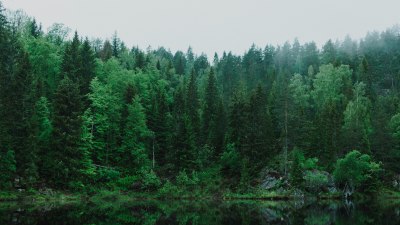
The forests of Transylvania are vast and enchanting, featuring diverse ecosystems that provide a habitat for countless species of flora and fauna. The Carpathian Mountains, which provide a dramatic backdrop, are home to some of the last remaining virgin forests in Europe. These ancient woodlands have stood for centuries, witnessing human history while encapsulating the essence of the natural world. As you wander through the dense foliage, the towering trees seem to whisper secrets of the past, and the air is thick with an atmosphere ripe for exploration.
Understanding the Legend of Dracula
The legend of Dracula primarily originates from Bram Stoker’s 1897 novel, which has since become a cornerstone of Gothic horror literature. Inspired by the historical figure of Vlad the Impaler, a Romanian prince known for his brutal reign, the character of Count Dracula embodies the fears and fascinations associated with vampirism. While fiction, the tale has drawn countless visitors to Transylvania, eager to uncover the origins of this chilling narrative amidst the very trees that may have inspired Stoker.
Entering the Forests: A Historical Perspective
Many visitors venture into Transylvania’s forests searching for remnants of the past that tie into the Dracula story. The rich history of the region, marked by various cultural influences from the Romans to the Austrians, is reflected in its architecture and ancient sites scattered throughout the land. From fortified churches to medieval castles, these structures stand as snapshots of a time long gone, inviting travelers to delve deeper into Transylvania's captivating history. The most famous castle, Bran Castle, often dubbed ‘Dracula’s Castle,’ serves as a pivotal point for these explorations, but the real treasures lie in the natural surroundings.
Hiking Through the Mystery
Embarking on a hiking expedition through these enigmatic forests allows visitors to experience the natural beauty and raw adventure that transcends the myth. Trails wind through majestic beech and fir tree groves, often leading to stunning panoramas of the Carpathians. Each step taken along these paths is not only a journey into nature but also a conduit to the legends of the past. Eagles soar overhead while deer rustle in the underbrush, creating a symphony of sounds that allude to the wildlife that thrived in these woods long before the modern age.
Legends and Folklore: The Shadows within
As you traverse these forests, you may encounter the local folklore that continues to thrive in the hearts and minds of the people. Tales of the strigoi, restless spirits of the dead, and other supernatural beings often accompany narratives of vengeful ghosts and shape-shifters. Engaging with the local culture means connecting with these stories and perhaps understanding why the forests evoke such powerful imagery and belief. Villagers, pass down stories of encounters with these entities, adding to the enigma and drawing both adventurers and scholars into the rich tapestry of local mythology.
Ecotourism: Preserving the Enchantment
Amidst the allure of legends and the natural beauty of the forests, there is a growing emphasis on ecotourism in the region. As more people seek to explore the wild wonders of Transylvania, the importance of preserving its delicate ecosystems becomes clearer. Responsible tourism helps maintain the environments while allowing visitors to appreciate the magic of the forests without causing harm. Eco-friendly lodging, guided tours that respect nature, and educational programs work together to ensure that future generations can continue to explore and understand the significance of this unique area.
The Flora and Fauna of Transylvania
The biodiversity within Transylvania’s forests is remarkable. Home to a variety of species, such as the Carpathian brown bear, wolves, and lynxes, the region boasts some of the highest concentrations of wildlife in Europe. Each season brings a change in the forest’s appearance, with vibrant colors in the fall and lush greenery in the spring, offering unique experiences for those who venture into these woodlands. Bird watchers will delight in spotting a range of species, while nature lovers can lose themselves in the numerous trails that showcase the region’s ecological wealth.
Seasonal Adventures: What to Expect
Each season provides a unique perspective of Transylvania's forests. In spring, wildflowers pepper the forest floor, creating a colorful canvas of scents and sights. Summer invites explorers to enjoy leisurely hikes under the warm sun, while autumn showcases a breathtaking array of colors as leaves transform into shades of bronze, orange, and red. Winter casts a quiet spell over the terrain, blanketing it in snow and revealing the stunning silence of nature at rest. Each visit offers a different experience, and the forests remain ever inviting, regardless of the season.
Tracing Dracula’s shadow through the forests of Transylvania represents a journey that mingles myth with the beauty of the natural world. As you navigate its winding paths and majestic trees, you become part of a larger story that transcends time—a tale woven from history, culture, and the eerie allure of the supernatural. Embrace the mystery and enchantment of Transylvania’s forests, and allow their ancient whispers to guide you toward a deeper understanding of both the land and the legends that seek to define it.