What the Tundra Doesn’t Say in Northern Canada
Explore the hidden stories and silent truths of the Tundra in Northern Canada.
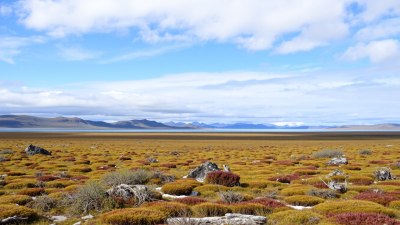
Image created with Flux Schnell
In the vast expanse of Northern Canada, the tundra serves as a stark yet captivating landscape that tells a silent story. Covering large portions of the Arctic region, the tundra is characterized by its harsh climate, permafrost, and unique flora and fauna. Yet, beneath its austere exterior lies a complex web of ecological, cultural, and historical narratives that often go unnoticed. This article delves into the untold stories of the tundra, exploring its significance as a fragile ecosystem, its significance to indigenous cultures, and its implications in the face of climate change.
The Tundra Ecosystem
The tundra is one of the world’s least examined ecosystems, despite its critical role in global biodiversity. The region is home to over 1,700 species of plants and animals adapted to extreme conditions. The short growing season, lasting only a few months each year, gives rise to a unique array of vegetation, including mosses, lichens, and low shrubs. Notably, these plants have adapted to the nutrient-poor soil and short summers, creating a fragile ecosystem that is easily disrupted.
Animals like the Arctic fox, caribou, and migratory birds thrive in the tundra, showcasing the delicate balance that exists within this environment. The annual caribou migrations are a key ecological event, with thousands of these animals traveling in search of food and breeding grounds. However, this harmony is threatened by external factors such as climate change and human activity, which disturb traditional migration routes and disrupt the seasonal patterns that dictate life in the tundra.
Indigenous Cultures and Traditions
For thousands of years, indigenous peoples have lived in harmony with the tundra, relying on its resources for sustenance and shelter. The Inuit, Gwich’in, and Sahtu Dene are among the indigenous communities whose cultures are deeply intertwined with the land. These groups have developed rich traditions, knowledge, and languages that reflect their relationship with the tundra.
The concepts of land and identity are intricately linked in indigenous cultures, where the tundra does not just serve as a habitat but as a source of spiritual connection. Oral histories, art, and rituals are imbued with meanings derived from the tundra’s landscape. Traditional practices like hunting, fishing, and gathering are not merely subsistence activities; they also embody cultural teachings and community cohesion. The stories passed down through generations tell of the land’s offerings, the seasons, and the wisdom gleaned from living within such an unforgiving environment.
The Silence of the Tundra
Despite its apparent silence, the tundra speaks through the vulnerabilities and challenges it faces. One of the most pressing concerns is climate change, which is dramatically altering the landscape and ecosystems of the Arctic. The region is experiencing some of the most rapid climatic shifts, leading to melting permafrost, thawing ice, and changing weather patterns. These changes threaten not only the ecological balance but also the traditional ways of life for indigenous communities.
Recent studies reveal that as temperatures rise, plant species in the tundra are shifting, leading to a restructuring of ecosystems. Invasive species are becoming more prevalent, further threatening native plant and animal populations. The indigenous peoples, who rely on this delicate balance for their survival, are witnessing firsthand the impacts of these changes on their way of life. The silence that envelops the tundra is in stark contrast to the cries for help from its inhabitants, who are struggling to protect their heritage and adapt to the new reality.
Conservation Efforts and Initiatives
In the face of these challenges, numerous conservation initiatives are underway to protect the fragile tundra ecosystem and support indigenous communities. Collaborative efforts between governments, non-profit organizations, and indigenous communities aim to develop sustainable practices that respect cultural traditions while addressing environmental challenges. These initiatives include land protection agreements, wildlife conservation programs, and efforts to promote ecological education.
Moreover, the inclusion of indigenous knowledge in conservation strategies has emerged as a pivotal aspect. Recognizing the invaluable insight that indigenous communities possess regarding the tundra has led to a more holistic understanding of sustainable practices. Empowering these communities through participation and decision-making processes not only aids in conserving the tundra but also honors their rights and respect for the land.
Future of the Tundra
The future of the tundra remains uncertain, teetering between the potential for resilience and the threats of rapid change. As global attention shifts towards climate action, the narratives of the tundra and its indigenous peoples must be amplified. Interactive dialogue among scientists, policymakers, and indigenous communities is essential to develop adaptive strategies that address the impending challenges.
Long-term scientific research focused on understanding the impacts of climate change on the tundra ecosystem is crucial. Such studies can yield valuable insights to drive policy decisions and enhance conservation efforts. Additionally, promoting public awareness about the importance of the tundra can help foster a deeper appreciation for this unique environment, prompting collective action to safeguard its future.
The tundra in Northern Canada is much more than a barren and silent landscape. It embodies a wealth of stories—untold and unheard—that underscore its importance as a vital ecosystem and cultural heritage site. By uncovering the narratives hidden within this realm, we can better appreciate the intricate relationships between nature, culture, and survival. As we confront the realities of climate change, it is imperative to listen to the tundra's silent teachings and amplify the voices of those who call it home, ensuring that the stories it holds continue to be told for generations to come.