Where Hayao Miyazaki Found His Forest Spirits in Yakushima
Explore the enchanting inspiration behind Miyazaki's forest spirits in Yakushima, a paradise for nature lovers.
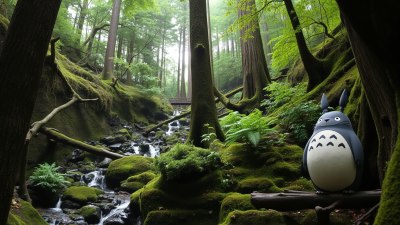
Hayao Miyazaki, the renowned filmmaker behind Studio Ghibli and iconic films such as "Spirited Away" and "My Neighbor Totoro," has a well-documented connection to nature, particularly to the lush setting of Yakushima, Japan. This remote island, celebrated for its breathtaking landscapes and ancient cedar trees, served as a profound source of inspiration for Miyazaki’s portrayal of forest spirits throughout his cinematic works. In this article, we delve into how Yakushima influenced Miyazaki's imagination and the deeper themes that emanate from this mystical place.
The Essence of Yakushima
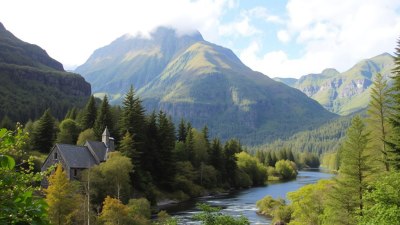
Located in the southern part of Japan, Yakushima is a UNESCO World Heritage Site that boasts dense forests, steep mountains, and an incredibly diverse ecosystem. The island's untouched nature, particularly its Yakusugi (ancient cedar trees that are over a thousand years old), has long fascinated visitors and locals alike. The unique subtropical climate provides a rich environment for various flora and fauna, making it a significant ecological treasure. For Miyazaki, the mesmerizing beauty of Yakushima, with its cascading waterfalls, mossy carpets, and fairy-like ambiance, offered the perfect backdrop for the narratives he wished to create.
The Inspiration Behind Forest Spirits
Miyazaki’s work often explores the relationship between humans and nature, encapsulating themes of spirituality and the interconnectedness of all living beings. In Yakushima, he found the ideal setting to illuminate these ideas through his forest spirits—magical beings that embody the soul of the forest and its living elements. Films like "Princess Mononoke" showcase these spirits as guardians of nature, challenging the destructive tendencies of mankind and urging a harmonious coexistence. The majestic Yakusugi trees, some of which are reputed to be over 7,000 years old, inspire reflections on longevity, reverence for nature, and the wisdom held within ancient landscapes.
Mystical Encounters in Yakushima
During his visits to Yakushima, Miyazaki often roamed the island’s ancient trails, absorbing the atmosphere and visualizing the stories that would unfold. The ethereal qualities of the forests, often shrouded in mist, evoke feelings of wonder and enchantment. According to Miyazaki, these wooded sanctuaries whisper secrets of the past and present, sparking his creative impulses. It is said that the spirits of nature in Yakushima appear in various forms—from the tiny, mischievous Kodama (tree spirits) to the majestic Shishigami (deer god) seen in his seminal film, "Princess Mononoke."
Documenting the Raw Beauty
Miyazaki’s artistic process often involved extensive observation and sketching during his time on Yakushima. His notebooks are filled with detailed drawings capturing the island’s flora and fauna, as well as reflections that would later inform his storytelling. The film "Princess Mononoke," which intensely critiques industrialization and celebrates environmental conservation, was shaped in part by the island's rugged landscapes and the profound feeling of connection with nature experienced there. The film depicts vibrant illustrations of wildlife thriving alongside iconic spirits, emphasizing the need to respect and protect natural habitats.
Yakushima’s Impact on Japanese Culture
The influence of Yakushima extends beyond Miyazaki’s works; it plays a pivotal role in Japanese culture as an embodiment of the Shinto belief in kami (spirits) inhabiting natural elements. The rich lore surrounding Yakushima, steeped in myths and legends, aligns with the Shinto principles that honor the environment. Visitors often sense this divine connection, which enhances the immersive experience of trekking through the island’s woods. As a result, Yakushima has become a pilgrimage site for both ardent Ghibli fans and nature enthusiasts seeking to commune with the spirits of the forest.
Spiritual Reflection and Conservation
Through Miyazaki’s storytelling, audiences are encouraged to reflect on their relationship with nature. The forest spirits serve not only as artistic representations but symbols reminding humanity of its responsibility to protect the environment. This narrative is especially relevant today as the world grapples with the effects of climate change and environmental degradation. Miyazaki often emphasizes that the beauty of places like Yakushima should be preserved, allowing future generations to experience the same awe and spiritual connection that he felt. The movie "Princess Mononoke" highlights these themes powerfully, presenting a narrative where balance can be achieved through understanding, respect, and coexistence.
Experiencing Yakushima Today
Travelers today can step into Miyazaki’s world by exploring Yakushima themselves. Hiking trails such as the famous Shiratani Unsuikyo offer opportunities to find inspiration among ancient cedars, water streams, and diverse wildlife. Tourists often embark on the trail to find their own forest spirits, encouraged by the beauty around them. Guided tours educating visitors about the conservation efforts reflect the island’s commitment to protecting its unique ecosystem, echoing the messages prevalent in Miyazaki’s films.
Ultimately, Yakushima stands as a testament to the power of nature in shaping artistic expression and spiritual reflection. Hayao Miyazaki's experiences on this beautiful island continue to inspire audiences around the globe, urging people to reconnect with the wonders of nature. It is in places like Yakushima that the echoes of forest spirits can be heard, forging a lasting bond between the storyteller, his characters, and the environment they symbolize.