Where the Ocean Is Learning to Walk Inland
Explore the fascinating interplay between ocean dynamics and inland ecosystems.
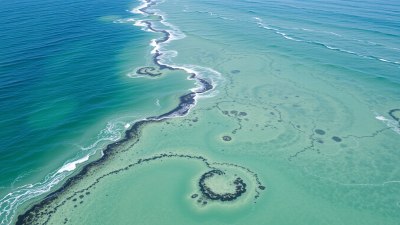
Image created with Flux Schnell
As the planet continues to evolve, the interactions between ocean and land reveal unique adaptations, shifting landscapes, and emerging ecosystems. The phenomenon of the ocean 'walking' inland is not merely a poetic expression; it highlights pressing environmental changes and showcases how different ecosystems begin to mingle. The dynamics of tides, erosion, and climate change together create scenarios where oceanic bodies make their presence felt further inland than before.
The Concept of Oceanic Encroachment
Ocean encroachment describes the gradual process by which saltwater intrudes into freshwater systems, altering local ecosystems, drinking water supplies, and agriculture. This process is accelerated by rising sea levels, driven primarily by climate change. Flooding from storm surges and higher tides affects coastlines, while other areas, often called estuaries, serve as critical zones where the ocean and river waters mix. Understanding this interplay is essential for predicting ecological impacts and preparing for future shifts.
Causes of Oceanic Movement
In the last few decades, scientists have observed significant trends in how oceans interact with land. Rising global temperatures lead to melting ice caps, adding more water to the oceans while causing land masses to shift. Additionally, changing precipitation patterns impact freshwater systems, creating an imbalance that allows saline waters to penetrate further inland. The geological factors, including tectonic activity, further modify coastlines, enhancing the encroachment of seas.
Impact on Coastal Ecosystems
Coastal ecosystems are highly sensitive to changes in salinity. Saltwater intrusion poses threats to wetlands, mangroves, and marshes that serve as crucial buffers against storm surges and provide habitats for various species. The delicate balance of these environments is disrupted when saltwater replaces freshwater, affecting biodiversity and altering species composition. Plant species that are not salt-tolerant may die off, leading to increased erosion as roots that stabilize the soil decay.
Freshwater Availability
One of the most pressing concerns regarding the ocean's journey inland is the impact on freshwater supplies. Many coastal communities rely on freshwater aquifers that can become contaminated with saltwater. As potable water becomes scarcer, local populations may face severe challenges in accessing clean drinking water, which can lead to health crises and heightened competition for resources. Engineers and ecologists are searching for solutions to measure and mitigate these encroachments to maintain water quality.
Adapting Agriculture
As seawater moves inland, agriculture faces several challenges. Soil salinization diminishes crop yields, threatening food security for regions that depend on these lands for agricultural production. Farmers need to adapt by cultivating salt-resistant crop varieties and using techniques that reduce salinity levels in soil. Innovations in agricultural practices become vital in maintaining livelihoods while responding to these environmental changes.
Wildlife Responses
Wildlife is often the first to show signs of changing habitats. As sea levels rise and saltwater intrudes, species must adapt or relocate. Some might migrate towards new inland areas, while others may struggle to survive when their habitats are inundated or altered. In some regions, species diversity may decline as traditional ecosystems are transformed into more saline environments that can no longer support certain organisms.
Human Implications
As the ocean continues its unprecedented movement inland, the implications for human communities are profound. Coastal cities are particularly vulnerable, facing increasing threats from flooding, hurricane impacts, and infrastructure damage. Communities must begin to engage in strategic planning efforts, employing tools such as managed retreat and coastal defenses to adapt to these changes. Developing policies that address the threat of ocean encroachment can help in building resilient communities.
Case Studies of Ocean Encroachment
There are several notable case studies that illustrate these dynamics. Cities like Miami are witnessing firsthand the effects of rising sea levels and increased flooding. Similarly, the marshlands along the Louisiana coast are shrinking rapidly due to a combination of subsidence and saltwater intrusion. Understanding these local experiences can enhance global knowledge on preparation and resilience strategies.
Innovative Solutions and Research
The scientific community is actively researching ways to counteract the impacts of ocean encroachment. Innovations in engineering provide new ways of buffering coastlines, utilizing living shorelines integral to ecosystems for natural resistance against waves. Concurrently, projects focused on restoring wetlands and rebuilding coastal forests are gaining momentum, allowing nature to act as a barrier against further ocean encroachment.
Community Involvement
Communities are beginning to recognize the role they play in addressing the consequences of ocean movement. Grassroots initiatives seek to engage residents in monitoring local ecosystems while promoting sustainable practices. Through education and participation, local communities can advocate for policies that prioritize environmental conservation and climate resilience, fostering a collective movement towards safeguarding their environments.
Future Outlook
The discourse surrounding the ocean's journey inland is growing critical as climate change effects amplify. Preparation will involve a multifaceted approach that combines scientific research, technological innovation, comprehensive policies, and community input. By collaborating across sectors and disciplines, societies can develop robust strategies that support both human and ecological needs, ensuring that the oceans and land can coalesce in a manner that is sustainable and beneficial for generations to come.
In summary, the ocean's extension inland illustrates the complex and often challenging relationship between these two realms. As we look toward the future, it is imperative to understand how this phenomenon will continue to shape our environments, economies, and communities. Continued research, adaptation strategies, and proactive policies will remain essential elements in addressing these movements. Only through collective efforts can we navigate the wave of changes ahead and foster a harmonious existence alongside the ever-dynamic ocean.