Where the Sea Starts to Forget the Land
Explore the boundary where the ocean meets the shore and the mysteries it holds.
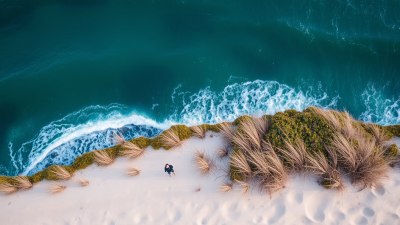
Image created with Flux Schnell
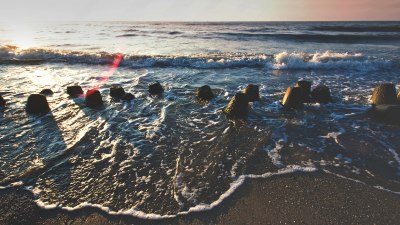
The ocean stretches endlessly, a vast expanse of blue that ebbs and flows with the rhythms of the earth. At the point where the sea starts to forget the land, there exists a fascinating interplay between two worlds: the solid ground beneath our feet and the fluid mystery of the ocean. This boundary serves not only as a geographic divide but as a metaphorical one, encapsulating the relationship humans have with water. Its perception changes with time, tides, and the weather, leaving one to ponder what lies at the intersection of reality and imagination.
The Coastal Landscapes
Coastal areas are some of the most dynamic environments on the planet. They are characterized by their ever-changing shorelines, shaped by the relentless forces of waves and wind. Here, the beach is a testament to this constant change; the sands shift with the tides, creating natural sculptures that tell stories of erosion and deposition. The vegetation struggles for survival, adapting to the saline winds and the shifting sands, a dance of resilience against the elements.
Marine Ecosystems
Where the sea meets the land, a treasure trove of biodiversity flourishes. Coral reefs, seagrass beds, and mangroves thrive in this marginal zone, supporting a multitude of life forms. These ecosystems are crucial as they provide breeding grounds for fish, act as natural barriers against storms, and contribute to the overall health of marine environments. Yet, they are also incredibly fragile; their existence is threatened by climate change, pollution, and human activity. Protecting these areas is not just an environmental need but a cultural and economic one as well.
The Influence of Tides
Tides play a significant role in defining the interaction between the sea and the land. Caused by the gravitational pull of the moon and sun, the rhythmic rise and fall of the water levels creates habitats that are unique to this cusp of earth and ocean. The intertidal zone, which is exposed during low tide and submerged during high tide, features an incredible diversity of organisms, from barnacles and crabs to seaweed and pelagic fish. Each tide reshapes the landscape, a reminder of nature’s persistent hand.
Myth and Folklore
Throughout history, the coastal regions have inspired countless myths and legends. From mermaids luring sailors to their doom to the sirens singing songs that echo across the waves, the sea has often been depicted as a mystical entity that holds the power to enchant and bewilder. These narratives reflect a broader human awareness—our struggle to understand the mysteries of the ocean and its capacity to inspire fear, love, and curiosity. How many stories have been woven into the fabric of culture along the shores of the world?
Climate Change and Coastal Areas
The effect of climate change on coastal regions cannot be overstated. Rising sea levels, increasing storm intensity, and ocean acidification threaten these vital ecosystems. Coastal communities face erosion, flooding, and the loss of biodiversity, leading to significant socio-economic repercussions. Understanding these challenges is essential; awareness of them should spur efforts for sustainable practices and conservation efforts. Solutions lie not only in the hands of environmentalists but also within the communities that call these environments home.
The Human Connection
Humans have always had a special bond with the sea, from fishing and trading to recreation and exploration. Coastal regions are the origin of many civilizations, acting as gateways to the wider world. This connection goes beyond livelihood; it encompasses recreation, spirituality, and a sense of belonging. The call of the waves is one that resonates deeply, often inspiring creativity and introspection. Artists, writers, and musicians have sought to capture the essence of this relationship, articulating the profound impact the ocean has on the human experience.
Conservation Efforts
Efforts to conserve coastal environments are increasingly urgent. Initiatives aimed at protecting marine protected areas (MPAs) are critical for maintaining healthy ecosystems and ensuring sustainable marine life. Community-led programs that promote responsible tourism and environmental education serve to engage the public and encourage a collective sense of stewardship over these precious resources. Local knowledge and practices play a vital role in conservation, highlighting the importance of integrating traditional ecological practices with modern science to ensure the longevity of these critical areas.
The Future at the Sea's Edge
As we contemplate the future of the places where the sea starts to forget the land, it is crucial to remember the delicate balance that must be maintained between human activity and environmental preservation. The coming decades pose both challenges and opportunities for coastal regions. Innovations in sustainable technologies, increased awareness of environmental concerns, and a global commitment to combating climate change could create a pathway toward resilient coastal communities. However, this requires the collaboration of governments, organizations, and individuals focused on shared goals.
The shoreline serves as a reminder of the impermanence of life. It is a place of transitions—between land and sea, between the tangible and the ethereal. While the sea may forget the land as it retreats during low tides, the memories of human engagement, history, and ecological importance linger. As we look toward the horizons where earth meets ocean, we are reminded that our actions today will influence the tomorrows of these precious coastal ecosystems. Protecting this boundary means nurturing a legacy that respects both the beauty and the fragility of nature’s confrontation between land and sea.