The Kremlin in Russia Echoes With Footsteps No Longer Heard
Explore the historical significance of the Kremlin and the echoes of its past in contemporary Russia.
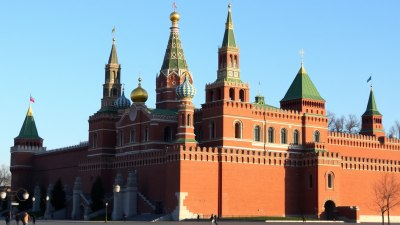
The Kremlin, a symbol of power and authority in Russia, stands as a testament to centuries of history, encompassing the echoes of footsteps that once reverberated within its walls. This grand fortress, constructed from red brick and rich in architectural splendor, has witnessed pivotal moments that define not only Russia but the broader contours of global history. As one gazes upon its towering spires and intricate designs, it becomes evident that the Kremlin is more than a mere structure; it is a repository of stories untold, a chronicler of events that have shaped the nation.
Since its establishment, the Kremlin has served various roles – from a royal residence to the seat of government. Each stone of its walls has absorbed the weight of historical significance, and the silence that surrounds it today also tells a story. The absence of the bustling footsteps of soldiers, diplomats, and citizens signals a new era in Russian history, one that seeks to reconcile the past with the present.
The Historical Significance of the Kremlin
The Kremlin's origins date back to the 12th century, making it a pivotal structure in Russian architecture and governance. Initially built as a wooden fort, it was later reconstructed in stone, embodying the fortification techniques of the time. This transformation not only made it a safer haven but also a symbol of the burgeoning Russian state. Throughout the centuries, the Kremlin has been the stage on which many significant events unfolded. The coronation of tsars, the decisions of powerful leaders, and grand declarations of war all echo within its confines.
During the reign of Ivan the Terrible in the 16th century, the Kremlin's significance soared as it became the center of power. It was here that Ivan, in his quest for a unified Russia, solidified his rule and expanded the territory. The very walls witnessed the turbulent struggles for power, as various factions vied for control, leading to significant alterations in Russia's political landscape.
A Cultural Hub
The Kremlin is not just a political center; it is also a cultural repository. Over the centuries, it has hosted numerous artists, philosophers, and scientists who have contributed to the rich tapestry of Russian culture. The Kremlin's grand cathedrals, adorned with frescoes and intricate carvings, speak of the profound relationship between religion and governance in Russia. Each art piece encapsulates a moment in time, preserving the spiritual fervor of an era long past.
Furthermore, the Kremlin has been a center for key cultural events. Concerts, theatrical performances, and significant religious ceremonies have taken place within its walls, making it a focal point for cultural exchange. The echoes of applause and the murmur of audiences once filled the air, yet now a silence pervades, invoking a sense of nostalgia and reflection on what once was.
Change Over Time
As the political climate in Russia evolved, so did the significance of the Kremlin. The Bolshevik Revolution of 1917 marked a turning point, as the Kremlin transitioned from a royal residence to the heart of a new communist regime. It was during this period that the Kremlin began to symbolize revolutionary ideals, championing the cause of the people. Thousands marched within its bounds, their footsteps a testament to the fervor of change. The images of Lenin addressing crowds outside the Kremlin are etched into the collective memory of the nation.
Yet, with the fall of communism in the early 1990s, another transformation unfolded. The footsteps of revolutionaries shifted to those of politicians navigating a new landscape of democracy vying for power amidst the rise of oligarchs. The Kremlin became emblematic of this new order, where decisions were made that would shape the future of the nation. Leaders such as Boris Yeltsin and Vladimir Putin have left their marks, each cultivating a unique identity that the world has come to associate with Russia.
The Kremlin Today
In contemporary times, the Kremlin stands resilient, yet the atmosphere within its walls has changed significantly. Today, the grand halls, once filled with voices and fervent speeches, are often shrouded in a heavy silence. The echoes of footsteps that once signified bustling activity seem faint, replaced by a quiet demeanor that speaks of uncertainty and introspection. In the face of modern challenges, from geopolitical tensions to internal strife, the Kremlin finds itself at a crossroads, reflecting the complexities of today's Russia.
Moreover, the Kremlin's role in shaping public opinion has shifted. The advent of social media has altered how information is disseminated, making the need for traditional political maneuvers less critical. The Kremlin's silence speaks volumes in this new age of communication, where clarity and transparency are demanded yet often elusive. The voices of the people are louder than ever, creating a cacophony that the grand structure struggles to absorb.
Reflections on the Past
The architectural marvel that is the Kremlin serves as a reminder of the ebbs and flows of history. The grand towers and intricate mosaics are testaments to a bygone era when power was measured in the footsteps of kings and revolutionaries. The stories embedded in the walls of the Kremlin evoke a sense of yearning for a time when the paths were crowded with individuals shaping the future, driven by optimism and ambition.
In recent years, historians and writers have endeavored to capture the essence of the Kremlin's legacy through literature and art. They explore themes of power, identity, and the struggle for freedom, offering a glimpse into the complexities of the Russian psyche. The narratives surrounding the Kremlin emphasize the duality of strength and vulnerability, illustrating how the space has been an arena for both triumphs and failures.
The Future of the Kremlin
Looking forward, one must ponder the future of the Kremlin and the role it will play in shaping Russia's narrative. As the global landscape continues to shift, the significance of this historic fortress will undoubtedly evolve. Its ability to adapt to changing circumstances may determine how it is perceived – a relic of the past or a beacon of hope for the future.
Daily, thousands of visitors flock to the Kremlin, drawn by its majestic presence. They wander through its grounds, perhaps pondering the echoes of footsteps that no longer fill the air. Each visitor carries with them their interpretations of the Kremlin – as a center of power, a cultural treasure, or a historical monument. While the footsteps of history might be faded, the importance of the Kremlin remains undiminished.
In conclusion, the Kremlin is not merely a structure; it is an enduring symbol of Russia's past, present, and future. The footsteps that once echoed within its walls might be quieted, yet their legacy continues to shape the trajectory of the nation. As Russia chart its course forward, the Kremlin will undoubtedly remain at the heart of it all, a silent guardian of history, a witness to change, and a custodian of the echoes of footsteps no longer heard.